 25 June 2026
 Share
Share
1
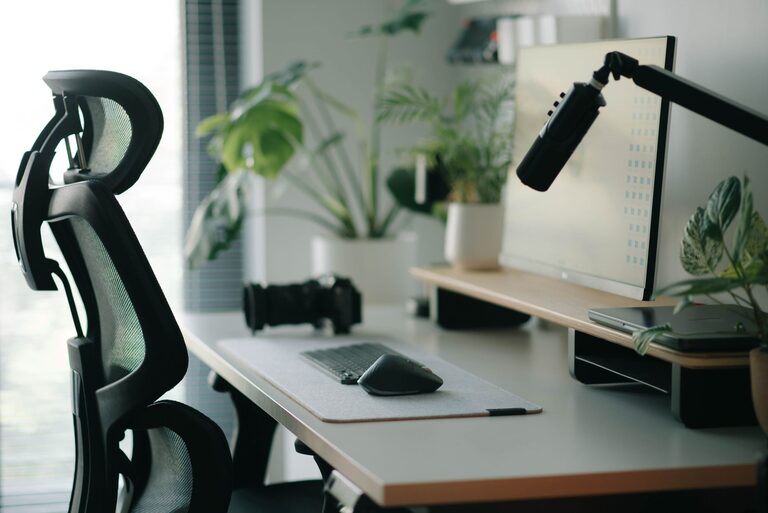

Working from home has become more common than ever, making it essential to create a workspace that supports productivity and well-being. A well-designed home office can help you stay focused, reduce stress, and separate work life from personal time. Whether you have a dedicated room or just a small corner, these tips will help you craft a productive home office environment.
The location of your home office plays a big role in your ability to concentrate.
– Find a quiet spot: Choose an area with minimal noise and foot traffic to reduce interruptions.
– Natural light: If possible, set up near a window. Natural light boosts mood and energy.
– Separate space: If you can, designate a specific room or area solely for work. This creates a mental boundary between work and home activities.
Comfort is key to staying productive for long periods.
– Ergonomic chair: Select a chair that supports good posture, ideally with adjustable height and lumbar support.
– Desk at the right height: Ensure your desk allows your arms to rest comfortably at a 90-degree angle while typing.
– Consider standing options: A sit-stand desk or a converter can allow you to change positions during the day and reduce sedentary time.
Lighting affects eye strain and alertness.
– Use layered lighting: Combine natural light with overhead and task lighting.
– Avoid glare: Position your screen to avoid reflections from windows or lights.
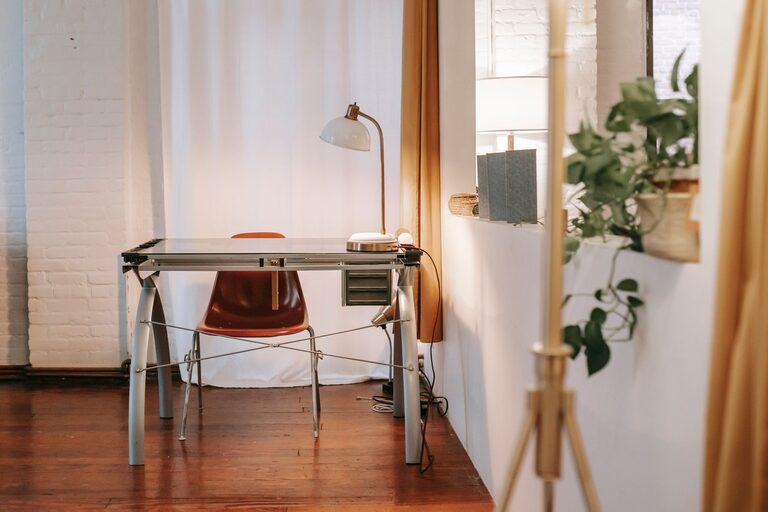
– Use a desk lamp: A lamp with adjustable brightness can help you focus on detailed tasks.
A clutter-free area helps maintain focus and efficiency.
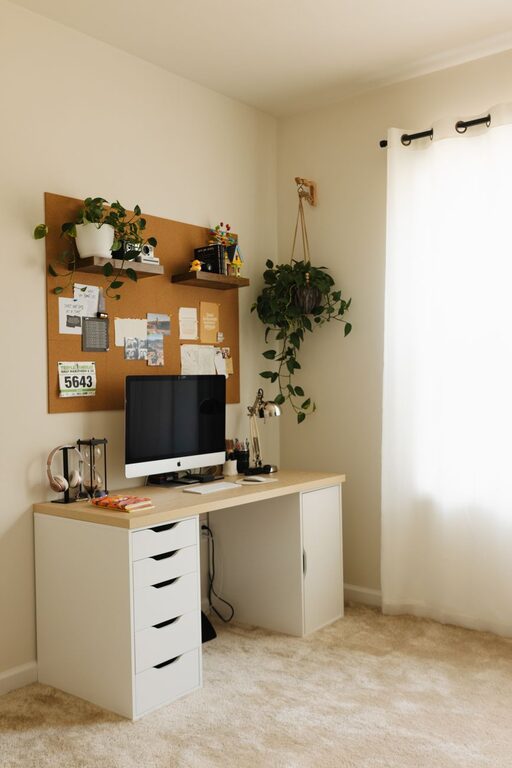
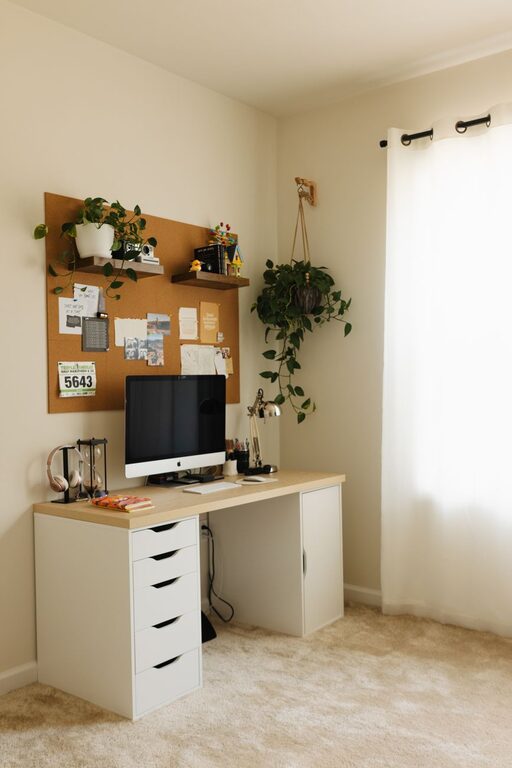
– Storage solutions: Use shelves, drawers, and organizers to keep supplies tidy and accessible.
– Declutter regularly: Spend a few minutes at the end of each day to clear your desk.
– Use cable management: Tidy up cords using clips or cable sleeves, reducing distractions and hazards.
Personal touches make your space inviting and comfortable without distracting you.
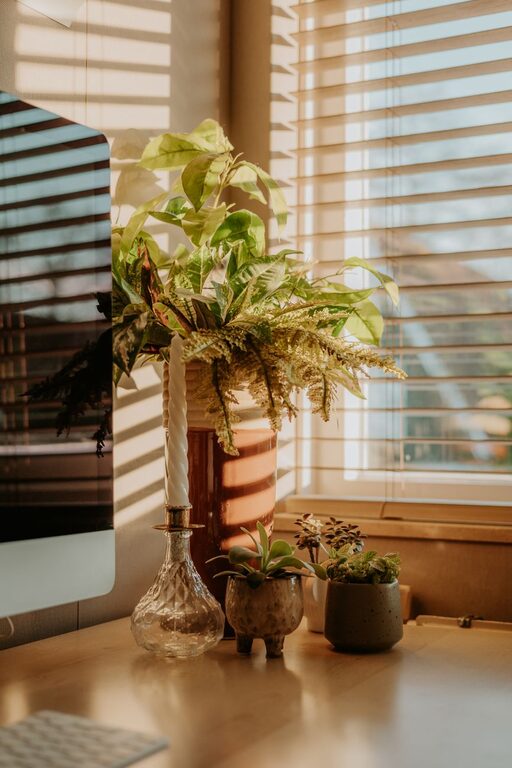
– Incorporate plants: Indoor plants improve air quality and add a calming natural element.
– Add inspiring items: Photos, artwork, or motivational quotes can boost your mood.
– Keep it simple: Avoid overcrowding your workspace with too many decorations.
Minimizing interruptions helps maintain a flow state.
– Noise-canceling headphones: Use them to block background noise, especially in busy households.
– Set boundaries: Communicate your work hours to family or housemates.
– Use white noise or music: Some people find consistent background sound helps sustain focus.
Staying disciplined supports productivity.
– Set work hours: Create a schedule and stick to it to separate work time from personal time.
– Use apps and tools: Task managers, calendars, and focus apps can help organize your day and minimize distractions.
– Take breaks: Follow the Pomodoro technique or simply step away periodically to refresh your mind.
Physical comfort affects your concentration and energy.
– Ventilate regularly: Open windows when possible to let fresh air in.
– Use fans or heaters: Adjust room temperature so it’s comfortable but not too warm or cold.
– Air purifiers: Consider them if your area has dust or allergens.
Creating a productive home office environment doesn’t require a big budget or a separate room. By selecting the right location, investing in ergonomic furniture, organizing thoughtfully, and managing distractions, you can build a workspace that helps you feel focused and motivated every day. Remember to personalize your space just enough to make it comfortable without cluttering it, and establish routines that support your work-life balance. With these tips, working from home can become an effective and enjoyable experience.