
 25 June 2026
 Share
Share
1
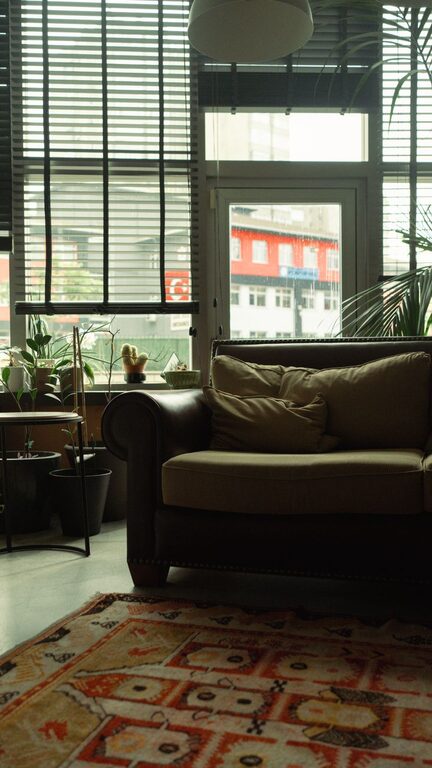
Creating a calm and relaxing space at home can make a big difference in how you feel mentally and physically. Your home should be a sanctuary where you can unwind, recharge, and feel at ease. Whether you’re dealing with a busy schedule, stress from work, or just want to enhance your daily comfort, there are plenty of ways to design your home environment to support your well-being.
In this post, we’ll explore practical tips to help you create a relaxing home space. These ideas are simple to implement and focus on promoting tranquility, comfort, and positive energy.
A cluttered environment can easily become overwhelming and stressful. When your home is tidy and organized, it feels more spacious and inviting.
– Start small: Pick one area, like a countertop, table, or a shelf, and clear away unnecessary items.
– Use storage solutions: Baskets, bins, and shelves help keep things organized and out of sight.
– Keep surfaces clear: Flat surfaces free from clutter promote a sense of cleanliness and calm.
Regular decluttering sessions make maintaining your space easier and prevent buildup of unnecessary items.
Colors influence mood more than we often realize. Soft, neutral, or pastel colors tend to create a calming atmosphere.
– Use gentle tones: Light blues, greens, soft grays, or warm beige are known for their relaxing effects.
– Accent with nature-inspired hues: Colors found in nature can help you feel grounded and serene.
– Avoid overly bright or harsh colors: These can overstimulate and increase stress.
Paint your walls, select furniture fabrics, or use décor items in these calming colors to enhance the peaceful feeling.
Natural light and ventilation are important for both your physical and mental well-being.
– Maximize sunlight: Keep windows clean and use lightweight curtains or blinds to let in light.
– Open windows regularly: Fresh air reduces indoor pollutants and refreshes the atmosphere.
– Add mirrors: Strategically placed mirrors reflect light and make your space feel larger and brighter.
If natural light is limited, consider full-spectrum bulbs that mimic daylight to improve mood and energy.
Nature has a soothing effect, and bringing elements of it indoors can help create a peaceful environment.
– Houseplants: Plants improve air quality and add a touch of greenery.
– Natural materials: Wood, stone, cotton, and linen create warmth and texture.
– Water features: Small fountains or aquariums add gentle sounds that help relaxation.
Choose plants and décor that require minimal maintenance to keep your space looking fresh without extra stress.
Designate specific areas where you can relax, read, meditate, or simply unwind.
– Cozy corners: Add soft cushions, throw blankets, and a comfortable chair or floor seating.
– Minimal distractions: Keep these zones free from electronics and clutter.
– Use calming scents: Essential oils, candles, or incense with lavender, chamomile, or eucalyptus help promote relaxation.
Having a dedicated place to disconnect supports your mental and emotional well-being.
Harsh lighting can create tension and fatigue. Soft, warm lighting helps the body and mind relax.
– Layer your lighting: Combine ambient (overhead), task (reading lamps), and accent lighting (candles or decorative lights).
– Dimmable lights: Having the option to adjust brightness lets you set the mood based on time and activity.
– Avoid blue light at night: Screens and bright LED lights can disrupt sleep patterns, so keep them to a minimum in the evening.
Consider adding lampshades or using warm-colored bulbs for a more soothing glow.
Sound impacts your mood and ability to relax.
– Soft music or nature sounds: Playing gentle melodies, bird songs, or ocean waves helps create a tranquil atmosphere.
– White noise machines: These can mask distracting noises, helping with focus or sleep.
– Embrace silence: Sometimes quiet is the best environment for peaceful rest or meditation.
Choose what works best for you to help reduce stress and promote calm.
Your home should reflect what brings you comfort and joy.
– Display photos or mementos: Items that remind you of happy memories can boost mood.
– Add artwork: Choose calming and inspiring pieces that resonate with you.
– Incorporate hobbies: A reading nook, art station, or yoga corner encourages activities that support well-being.
When your environment reflects your values and interests, it feels more welcoming and restorative.
Physical comfort is important to truly relax.
– Keep the temperature moderate: Avoid extremes that make it hard to rest.
– Use fans or humidifiers: These regulate airflow and moisture to improve air quality.
– Choose breathable fabrics: Bedding and upholstery made from natural fibers help regulate body temperature.
A comfortable climate helps reduce physical discomfort and promotes better sleep and relaxation.
Creating a relaxing home environment is about small, thoughtful changes that make a big impact on your well-being. Focus on simplicity, comfort, and natural elements to foster peacefulness. Remember that your home is your personal retreat—design it in a way that nurtures your mind, body, and spirit.
Start with one or two tips from this list and build on them over time. You’ll soon notice a more calming atmosphere that supports stress relief and overall health every day.
