
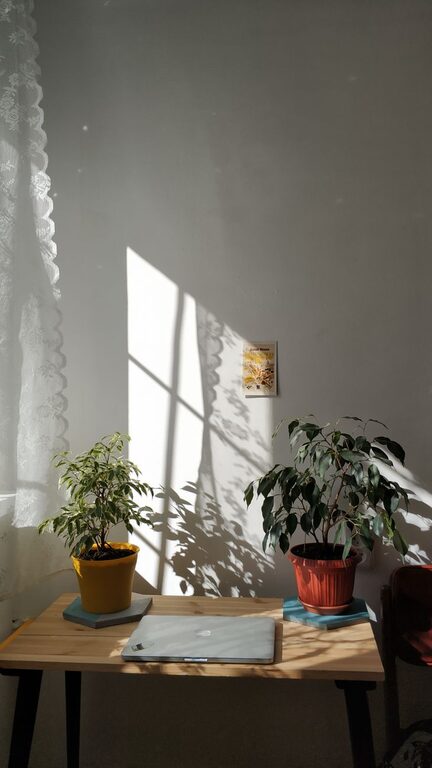
Creating a relaxing home office environment is essential for maintaining focus, reducing stress, and enhancing overall productivity. Whether you work remotely full-time or occasionally bring work home, designing a space that feels calm and inviting can make a big difference in how you approach your tasks. Here are some practical tips to help you create a soothing home office that promotes work-life balance and well-being.
Choose the Right Location
Selecting the ideal spot for your home office sets the foundation for a comfortable and relaxing workspace.
– Quiet Corner: Pick a quiet area in your home with minimal distractions. Avoid heavy foot traffic or noisy appliances.
– Natural Light: If possible, position your desk near a window to take advantage of natural light, which can boost mood and energy.
– Separate Space: Try to have a dedicated room or clearly defined space for work. This separation helps create a mental boundary between work and relaxation.
Invest in Comfortable Furniture
Comfortable furniture can reduce physical strain and improve your overall work experience.
– Ergonomic Chair: Choose a chair that supports good posture and is adjustable to your height and desk level.
– Desk Height: Ensure your desk is at a comfortable height so your arms rest naturally while typing.
– Additional Seating: Consider a small lounge chair or floor cushion nearby for breaks or alternative seating.
Keep Your Workspace Organized
A cluttered desk can create mental clutter. Keeping your workspace tidy fosters clearer thinking.
– Declutter Regularly: Remove unnecessary items daily or weekly.
– Storage Solutions: Use shelves, drawers, or baskets to store papers and office supplies neatly.
– Minimalism: Keep only essential tools and décor on your desk to avoid overwhelming your senses.
Use Soothing Colors and Decor
Color and décor greatly influence the mood of a space.
– Soft Color Palette: Choose calming colors like pale blues, greens, or neutral tones for walls and décor.
– Personal Touches: Add photos, artwork, or plants that inspire and comfort you without causing distraction.
– Natural Elements: Plants not only brighten your office visually but also improve air quality and provide a sense of calm.
Control Lighting for Comfort
Good lighting reduces eye strain and enhances focus.
– Layered Lighting: Combine overhead lights with task lighting, such as desk lamps, to reduce glare.
– Adjustable Light: Use dimmable lights or lamps with adjustable brightness to fit different times of the day.
– Avoid Harsh Fluorescents: Opt for warm LED bulbs that mimic natural light and are easier on the eyes.
Minimize Noise Distractions
Sound can impact your concentration and stress levels.
– Noise-Canceling Headphones: Great for blocking out distracting sounds.
– White Noise Machines: These devices provide consistent background sound that can help mask interruptions.
– Soundproofing: Add rugs, curtains, or wall panels to absorb sound, especially if you live in a noisy environment.
Incorporate Technology Thoughtfully
Technology powers your productivity but should enhance, not disrupt, your work.
– Wireless Devices: Use wireless keyboards and mice to reduce cable clutter.
– Cable Management: Organize cords with clips or covers to keep the workspace neat.
– Monitor Placement: Position screens at eye level to prevent neck strain.
Establish a Routine and Set Boundaries
Your environment supports your habits, but routines make productivity sustainable.
– Work Hours: Designate specific times for work and breaks to maintain balance.
– Start and End Rituals: Begin your workday with a calming activity like stretching or meditation and close it by tidying up your space.
– Limit Non-Work Use: Avoid using your home office for leisure activities to keep the workspace associated with productivity.
Add Comfort Features
Small touches can greatly enhance your comfort and relaxation.
– Temperature Control: Use fans, heaters, or open windows to maintain a pleasant temperature.
– Aromatherapy: Scents like lavender or eucalyptus can create a peaceful atmosphere.
– Comfort Items: Keep a cozy blanket or cushion nearby for added comfort.
Take Breaks and Move Around
Even the best workspace can’t replace the benefits of movement.
– Stretch and Walk: Stand up, stretch, or take a short walk every hour to reduce fatigue.
– Eye Exercises: Follow the 20-20-20 rule—every 20 minutes, look at something 20 feet away for 20 seconds.
– Hydrate: Keep water accessible and drink regularly.
—
By thoughtfully designing your home office with relaxation in mind, you create a space that nurtures your focus and well-being. Small changes in lighting, comfort, organization, and décor can transform your workday into a more pleasant and productive experience. Explore and adjust these tips to fit your unique needs, and enjoy a calming environment that supports your success.