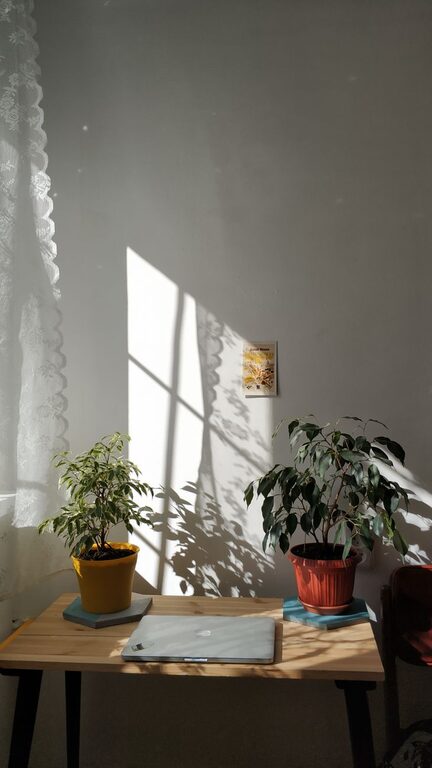
Creating a productive home office environment is essential for anyone who works remotely or spends significant time on tasks at home. A well-designed workspace not only enhances focus and efficiency but also supports your physical and mental well-being. Whether you’re new to working from home or looking to improve your current setup, these practical tips will help you create a space that fosters productivity and comfort.
Choose the Right Location
The first step in designing a productive home office is selecting the best spot for your workspace.
– Quiet and Low-Traffic Area: Choose a space away from household noise and distractions to maintain focus.
– Natural Light: Position your desk near a window to take advantage of natural light, which can boost mood and alertness.
– Sufficient Space: Ensure there’s enough room for your desk, chair, and any equipment or materials you need.
If you don’t have a dedicated room, even a quiet corner or a section of a room can work well as long as you can separate work time from home life.
Invest in Ergonomic Furniture
Comfortable furniture is key to maintaining good posture and preventing discomfort during long work sessions.
– Ergonomic Chair: Look for a chair with adjustable height, lumbar support, and comfortable cushioning.
– Desk Height: Your desk should allow your elbows to rest at a 90-degree angle when typing.
– Monitor Position: Place your computer monitor at eye level, approximately 20–30 inches away, to reduce neck strain.
Proper ergonomics reduce physical stress, helping you stay focused throughout the day.
Optimize Lighting
The right lighting can reduce eye strain and increase productivity.
– Natural Light: As mentioned, natural light is ideal. Avoid glare by positioning your screen perpendicular to windows.
– Task Lighting: Use a desk lamp with adjustable brightness for focused illumination during darker hours.
– Overhead Lighting: Choose soft, diffused overhead lights instead of harsh fluorescent bulbs.
Balancing different sources of light creates a comfortable environment that suits various tasks.
Keep Your Workspace Organized
A clutter-free workspace promotes clear thinking and efficiency.
– Declutter Regularly: Remove unnecessary items daily or weekly.
– Storage Solutions: Use shelves, drawers, and organizers to keep supplies handy but out of the way.
– Cable Management: Use clips or ties to bundle cables and avoid tangled cords.
A tidy workspace saves time and reduces stress.
Minimize Distractions
Reducing distractions can help you stay on track and maintain a steady workflow.
– Turn Off Notifications: Silence unnecessary phone and computer alerts during work hours.
– Set Boundaries: Inform family members or housemates of your schedule to minimize interruptions.
– Background Noise: Use noise-canceling headphones or soft background music if it helps your concentration.
Tailor these steps to what you find most effective in maintaining focus.
Use Technology Wisely
Technology is often the backbone of home work but managing it wisely can improve productivity.
– Reliable Internet: A strong, stable internet connection prevents disruptions.
– Useful Apps: Productivity apps, digital calendars, and task managers can keep you organized.
– Backup Systems: Regularly back up important files to avoid loss.
Stay up to date with the tools that best support your tasks.
Personalize Your Space
Adding personal touches can make your home office feel inviting and motivate you to work.
– Plants: Indoor plants improve air quality and add a calming natural element.
– Art and Decor: Choose items that inspire you without cluttering the space.
– Comfort Items: Consider a cozy throw or a small fan to adjust your comfort as needed.
A workspace you enjoy spending time in naturally encourages productivity.
Maintain a Routine
Finally, building healthy work habits is important for sustained productivity.
– Set Work Hours: Keep consistent start and end times to create structure.
– Take Breaks: Short breaks help maintain energy and focus throughout the day.
– Separate Work from Leisure: When your workday ends, physically leave or shut down your workspace if possible.
Balancing work and rest prevents burnout and keeps motivation high.
—
By applying these tips, you can create a home office environment that supports your best work, day after day. Remember that your ideal workspace is personal—feel free to adjust these suggestions to fit your unique needs and preferences. With the right setup, home can become a place where productivity and comfort go hand in hand.